




For many Atlanta homeowners, the kitchen countertop is where food is prepped every single day. That makes the question of food safety a genuinely important one, even if it does not always come up during the selection process. The term “food safe” gets used loosely in marketing, and understanding what it actually means will help you choose with confidence. The team at ArtStone Atlanta works with homeowners across Atlanta to match materials to how they actually use their kitchens.
What Food Safe Actually Means for a Countertop
In the countertop context, food safe has two distinct components:
- Non-toxic: the material does not release harmful compounds, heavy metals, or chemicals into food through contact
- Non-porous or easily sanitized: the surface does not harbor bacteria in pores or surface irregularities that survive routine cleaning
No countertop material fully replaces proper food handling practices. Raw meat, poultry, and seafood should always be prepped on a cutting board rather than directly on any countertop surface, regardless of material. That said, certain materials are significantly more hygienic than others under normal daily use conditions, and that difference is worth understanding.
food safe countertop materials Atlanta
Engineered Quartz: The Most Consistently Hygienic Choice
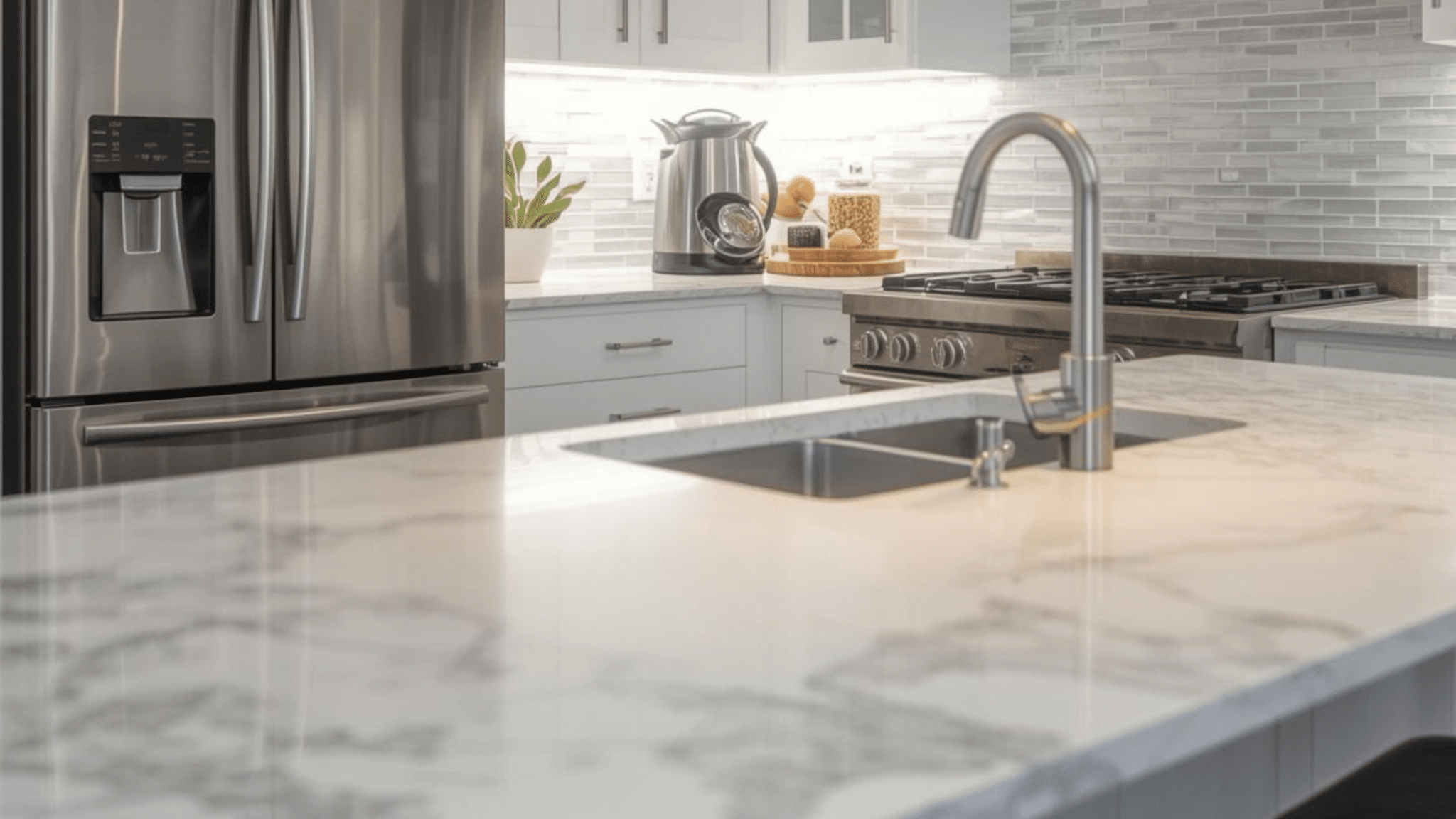
Engineered quartz countertops are the most reliably food-safe countertop option for Atlanta kitchens. The polymer resins used in manufacturing fill all surface porosity, creating a surface that does not allow liquid or bacteria to penetrate below the cleaning zone. Soap and water applied after food prep removes pathogens effectively from a non-porous quartz surface.
Premium quartz brands available through ArtStone Atlanta including Silestone, Caesarstone, and Cambria all maintain this non-porous characteristic across their product lines. No sealing is required to maintain the food-safe properties of engineered quartz.
One practical note: deep scratches in any surface can create micro-crevices where bacteria accumulate. Consistent cutting board use prevents the kind of surface damage that compromises hygiene over time.
Granite: Food Safe With an Active Sealing Routine
Granite countertops are a natural stone with inherent porosity. A properly and regularly sealed granite surface is considered food safe for everyday kitchen use. The sealer fills surface pores and prevents bacterial infiltration and liquid absorption. The qualification is maintenance: granite that is not kept up with a consistent sealing schedule can develop pore openings that are difficult to fully sanitize.
For Atlanta homeowners who maintain their granite sealing on schedule, typically once per year for standard granite varieties, it is a practical and beautiful food-safe surface. The keys are keeping up with the sealing routine, using cutting boards for raw proteins, and cleaning with a pH-neutral product rather than acidic cleaners that degrade the sealer.
Marble: Beautiful but Requires Extra Attention
Marble countertops require more careful maintenance in a kitchen context. Marble is porous and acid-sensitive. Lemon juice, vinegar, tomato sauce, and many other common cooking ingredients will etch the surface. Unsealed marble absorbs liquids quickly, and even sealed marble requires more attentive cleaning habits than granite or quartz to maintain food safety standards.
Marble is a stunning material and a reasonable choice for lower-traffic areas such as baking stations or bathroom countertops where the hygiene demands are different. In a high-use Atlanta kitchen, it requires a homeowner who is committed to the maintenance it demands.
Other Materials Worth Knowing About
- Solid surface: non-porous and seamless by nature, which makes it easy to sanitize. It can be sanded and renewed when scratched, which is one reason it is common in commercial food service settings. The tradeoff is lower scratch and heat resistance compared to stone.
- Tile with grout lines: grout is porous, stains readily near food prep areas, and is a challenging surface to keep fully sanitary in a kitchen. Not a recommended choice for primary prep surfaces.
- Wood or butcher block: naturally porous and requires food-grade oil treatment to maintain any level of hygiene. Better suited to a designated cutting area than a primary kitchen countertop.
is quartz food safe 2026
Frequently Asked Questions
Is quartz food safe in 2026?
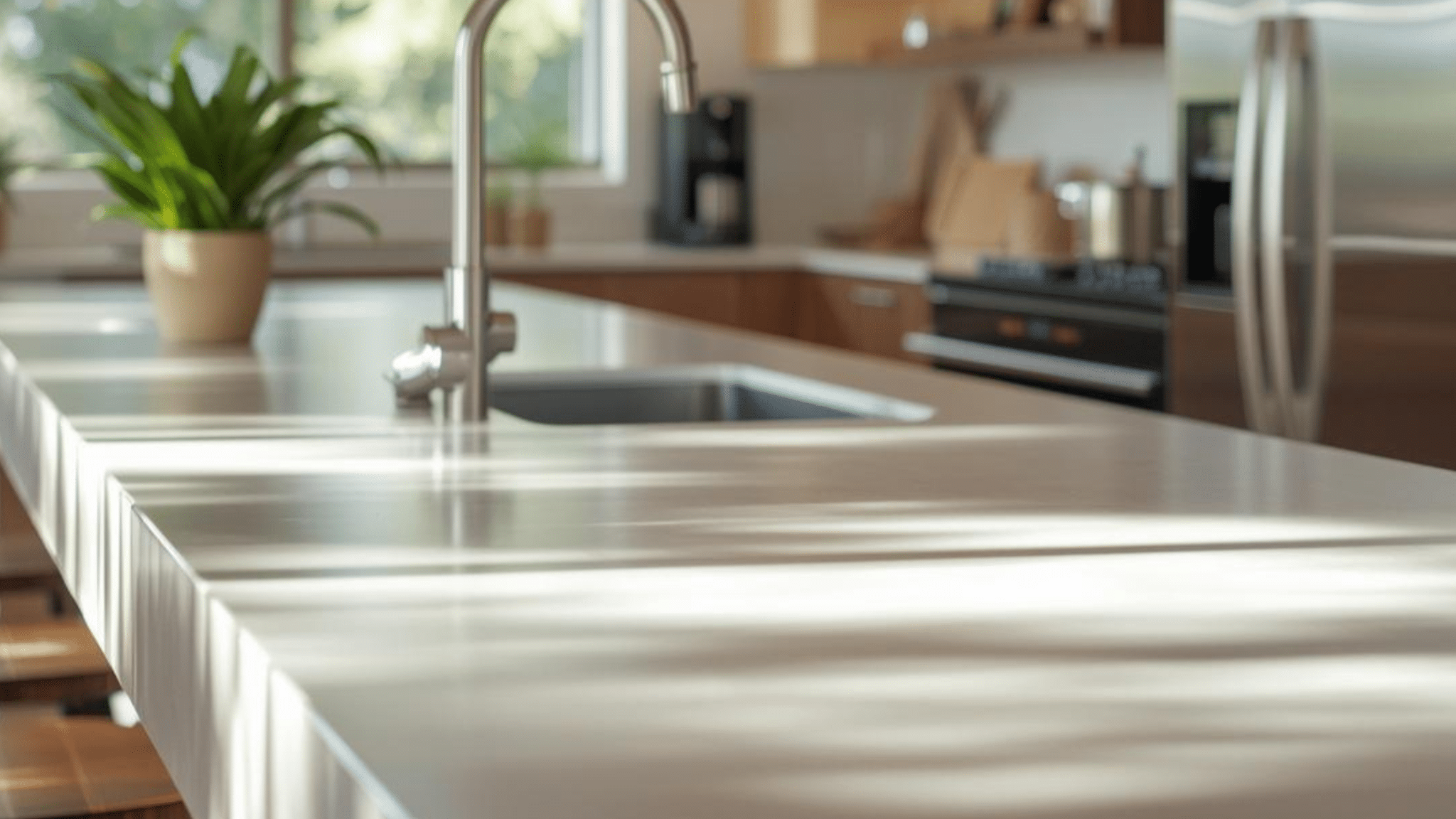
Yes. The non-porous composition of engineered quartz makes it one of the most reliably hygienic countertop surfaces available in 2026. It does not require sealing to maintain its food-safe properties, resists bacterial infiltration, and cleans effectively with basic soap and water. Using cutting boards for raw protein preparation is still recommended, as it is with any surface.
Does granite harbor bacteria in Atlanta’s humid climate?
Properly sealed granite does not present a meaningful bacterial risk under normal kitchen use. The concern is specifically with granite that has not been sealed on schedule, where the opened pore structure can allow surface bacteria to survive cleaning. Consistent sealing is the mitigation, and it is especially relevant in Atlanta where humidity can affect how sealers perform over time in high-moisture zones near sinks.
What is the most food-safe countertop for a busy Atlanta family kitchen?
Engineered quartz is the most practical recommendation for high-use family kitchens in Atlanta. Its non-porous surface, freedom from sealing requirements, and durability under heavy daily use make it the most manageable food-safe option for households with active cooking lifestyles.
Choose a Food-Safe Countertop at ArtStone Atlanta
Our team can walk you through the practical food safety and performance differences between quartz, granite, marble, and other surface options. Find us on Google Maps or visit the ArtStone Atlanta showroom to explore materials in person and find the right fit for your kitchen.