




Grilling season in Atlanta runs most of the year, and with it comes the inevitable reality of grease on countertops. Whether it lands on an outdoor grill surround or migrates indoors to your kitchen surface, cooking grease is one of the more stubborn stains you will deal with on stone. The good news is that both granite and engineered quartz countertops respond well to grease removal when you use the right products and the right technique. This guide from ArtStone Atlanta covers the full process for both materials and what to avoid along the way.
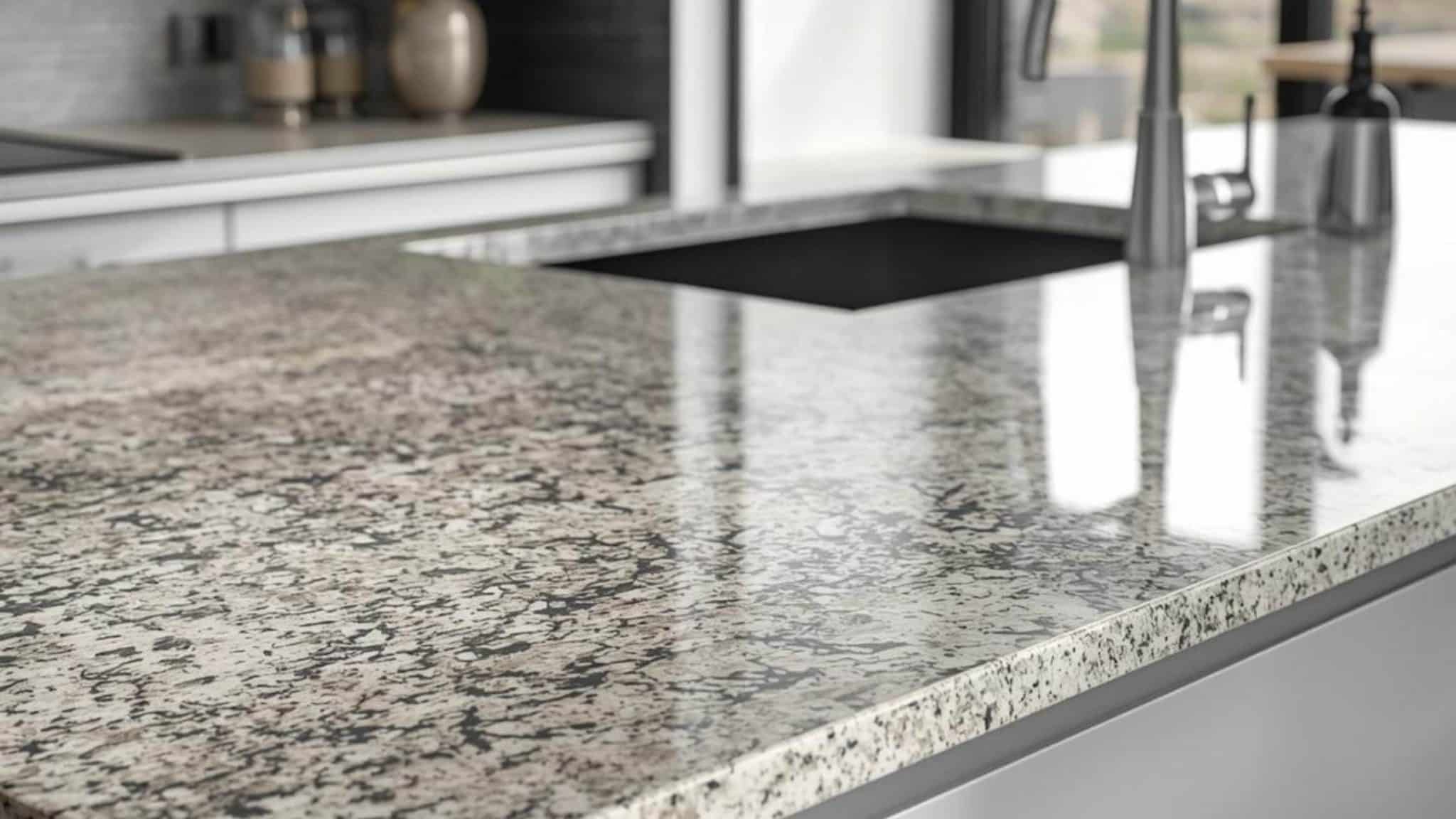
grease stain removal granite quartz Atlanta
Why Grease Stains Differently Than Other Spills
Most kitchen spills are water-based and behave predictably. Cooking grease is oil-based, and that changes how it interacts with stone surfaces. Hot grease from a grill or high-temperature cooking can penetrate into the pores of unsealed or under-sealed granite almost immediately. Once it cools and solidifies within the pore structure, it bonds tightly and resists simple cleaning.
On engineered quartz, the non-porous resin surface prevents grease from penetrating. But grease still bonds to the surface itself, and grease that has been heated repeatedly, or that has been sitting for days, develops a sticky carbonized residue that requires more than a quick wipe. The single most effective action for either material is speed: address grease while it is still fresh.
How to Remove Grease from Granite
Atlanta outdoor granite surfaces and kitchen countertops near the cooktop are the most common sites for grease accumulation. Here is the approach that works:
For fresh grease: blot the spill with a clean paper towel rather than wiping, which spreads the oil further. Apply a small amount of pH-neutral dish soap directly to the stain, work it in gently with a soft cloth using circular motions, let it sit for two to three minutes, then rinse thoroughly with warm water and dry the surface completely.
For set or baked-on grease: the poultice method is the most reliable approach. Mix baking soda with a small amount of dish soap and just enough water to form a thick paste. Apply it directly over the stain, cover it with plastic wrap sealed at the edges, and leave it for 12 to 24 hours. As the paste dries it draws the oil out of the pores. Remove the paste, rinse well, and repeat the process if the stain is not fully gone.
After treating a grease stain on granite, check the sealer in that area. Cleaning products and the grease itself can thin the sealer over time. Run the water drop test: if water sits in a bead the sealer is intact. If it flattens or absorbs, reseal that section.
How to Remove Grease from Engineered Quartz
Because quartz is non-porous, grease sits on the surface rather than penetrating it. This is an advantage, but baked-on or repeatedly heated grease can still be stubborn.
For fresh grease: a small amount of dish soap on a damp microfiber cloth, worked gently in circles, removes most fresh grease without any issue. Rinse well and dry.
For hardened or built-up grease: use a plastic scraper to lift any solidified deposits without scratching the surface. Follow with dish soap and a non-abrasive cloth. For stubborn carbonized residue, a small amount of isopropyl alcohol applied with a cloth, left for 30 seconds, then wiped clean and rinsed works well on quartz surfaces including Silestone and Caesarstone.
Never use abrasive pads, steel wool, or scouring powders on quartz. These create micro-scratches that accumulate over time and dull the surface finish.
Products to Avoid on Both Surfaces
- Bleach or bleach-based cleaners: strips sealers on granite and can degrade the resin structure in quartz over time
- Citrus-based degreasers: the acid content attacks sealers on granite and dulls the resin finish on quartz
- Vinegar or other acid solutions: harmful to both granite sealers and quartz resin over repeated use
- Abrasive scrubbers or scouring powders: will scratch quartz and can mar polished granite surfaces
- Oven cleaner: far too caustic for any stone countertop surface
Preventing Grease Buildup in Atlanta’s Year-Round Grilling Season
Atlanta’s outdoor grilling season is essentially year-round, which means grease management is an ongoing consideration rather than a seasonal one. A few consistent habits make a real difference:
- Wipe down outdoor granite after every grilling session, while the surface is still warm
- Keep a pH-neutral stone cleaner accessible at the outdoor kitchen for immediate response
- Seal outdoor granite at the start of each year. A fresh sealer creates a meaningful barrier that makes grease cleanup faster and more complete
- Use a splatter screen near the cooktop for indoor surfaces
- Address any grease spills indoors within minutes rather than letting them sit through a meal
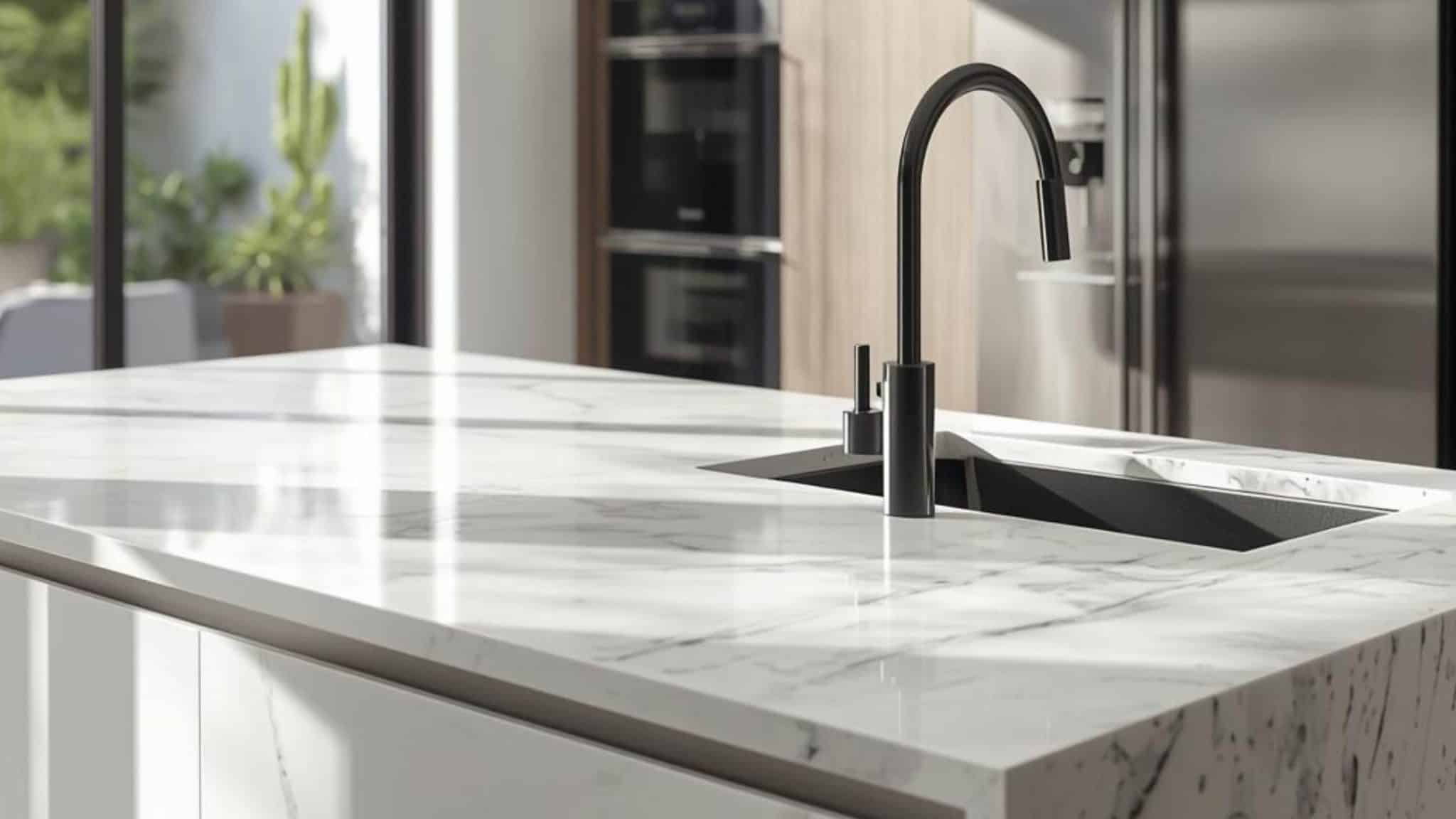
how to remove grease from quartz
Frequently Asked Questions
Will grease permanently stain Atlanta outdoor granite?
Not if you act on it promptly and maintain your sealer. Grease that penetrates deeply into unsealed or under-sealed granite can create a darkening stain that requires multiple poultice treatments or professional resurfacing. A well-sealed granite surface gives you time to clean up before the grease bonds permanently.
Can I use a commercial kitchen degreaser on quartz?
Most commercial kitchen degreasers contain citrus acids, bleach, or high-pH compounds that are not safe for quartz surfaces. Look specifically for a product labeled as quartz-safe or stone-safe, or use the dish soap and warm water approach, which handles most grease effectively without any risk to the surface.
Do I need to reseal granite after cleaning a grease stain?
Not always. Run the water drop test after cleaning. If water still beads cleanly, the sealer is intact and no resealing is needed. If water flattens or absorbs into the stone, the cleaning process has thinned the sealer in that area and a fresh coat should be applied before the stone is used heavily again.
Stone Care Questions? ArtStone Atlanta Is Here to Help
Whether you are dealing with a persistent grease stain or planning a new kitchen project, the team at ArtStone Atlanta can help. Find us on Google Maps or visit our Atlanta showroom to explore granite, quartz, and other countertop options suited to how Atlanta homeowners actually live and cook.